
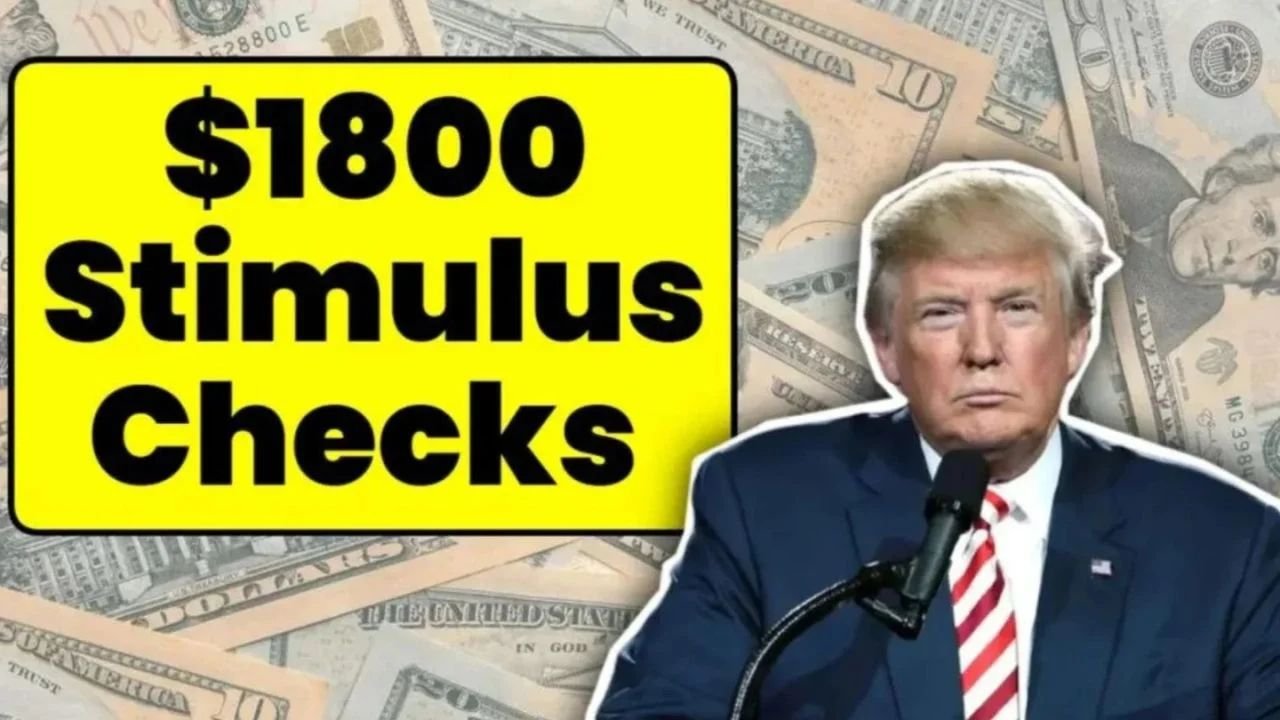
As prices for groceries, rent, and utilities continue to rise, many Americans are looking for new federal financial relief. Rumors about a potential IRS $1,800 stimulus check in 2025 have been circulating online, sparking hope among families, seniors, veterans, and low-income households. While the proposal is gaining attention, it’s important to separate speculation from official guidance.
What Is the Proposed $1,800 Stimulus Check?
The $1,800 payment is a proposed federal relief plan discussed as part of President-elect Donald Trump’s economic agenda for 2025. Similar to past stimulus programs like the $1,200 CARES Act or $1,400 American Rescue Plan payments, this cash boost aims to help Americans cope with inflation and unexpected expenses.

Important:
- The $1,800 stimulus is not approved or signed into law.
- No payments are scheduled yet. Only Congress and the IRS can finalize such a program.
Why Is the $1,800 Stimulus Getting Attention?
Several factors are fueling interest:
- Rising inflation and higher living costs
- Upcoming holiday expenses
- High demand for direct cash relief
- Past success of federal stimulus programs boosting household finances
- Public statements about direct aid after the inauguration
Until legislation is passed, however, all discussions remain speculative.
Who Might Qualify for the $1,800 Stimulus Check?

If approved, eligibility would likely mirror past federal relief programs:
Basic Requirements
- U.S. citizen or legal resident
- Valid Social Security Number
- Filed 2023 federal tax return (non-filers like SSI/SSDI/VA may be automatically included)
- Meet income limits
Expected Income Limits
- Singles: AGI up to $75,000 = full payment
- Married couples: AGI up to $150,000 = full payment
- Higher incomes may receive partial payments
Additional Benefits for Families
- Extra $500–$600 per child under 17
- Larger families or single parents may receive higher totals
Automatic Inclusion
Likely eligible without extra filing:
- SSI recipients
- SSDI beneficiaries
- VA benefit recipients
- Seniors with fixed or low incomes
Possible Payment Timeline (If Approved)
| Stage | Estimated Date | Notes |
|---|---|---|
| Congress vote | Dec 2024 – Jan 2025 | Must pass before IRS can act |
| IRS system setup | Jan 2025 | Update accounts and direct deposit info |
| First payments | Feb – Mar 2025 | Direct deposit recipients first |
| Full rollout | Apr – May 2025 | Paper checks and debit cards mailed later |
These dates are estimates based on previous federal stimulus programs.
How to Prepare Now

Even if the $1,800 check isn’t approved, you can take steps to ensure you receive other confirmed benefits like tax refunds, EITC, CTC, or Social Security COLA increases.
Preparation Tips:
- Ensure 2023 tax filings are accurate
- Update bank account information on IRS.gov
- Monitor official IRS announcements, not social media
- Apply early for Earned Income Tax Credit (EITC) and Child Tax Credit (CTC)
- Seniors on SSI/SSDI/VA should check SSA/VA accounts for updates
FAQs: $1,800 Stimulus Check 2025
Q1. Is the $1,800 stimulus check official?
No. It is only a proposal and has not been approved by Congress.
Q2. When will payments be sent?
Only if approved — earliest estimates are February–March 2025.
Q3. Will seniors on SSI or SSDI qualify?
Yes, likely automatically if the program becomes law.
Q4. Will children receive extra payments?
Possibly. Prior programs offered $500–$600 per child.
Q5. Where are official updates posted?
Only on IRS.gov or WhiteHouse.gov. Avoid random websites or social media claims.
Conclusion
The IRS $1,800 stimulus check in 2025 remains a proposal, not a confirmed payment. While it highlights the ongoing need for financial relief, Americans should focus on preparing for real benefits like tax credits, refunds, and Social Security COLA adjustments. Stay informed, keep your tax records updated, and monitor official sources to maximize your confirmed financial assistance.