
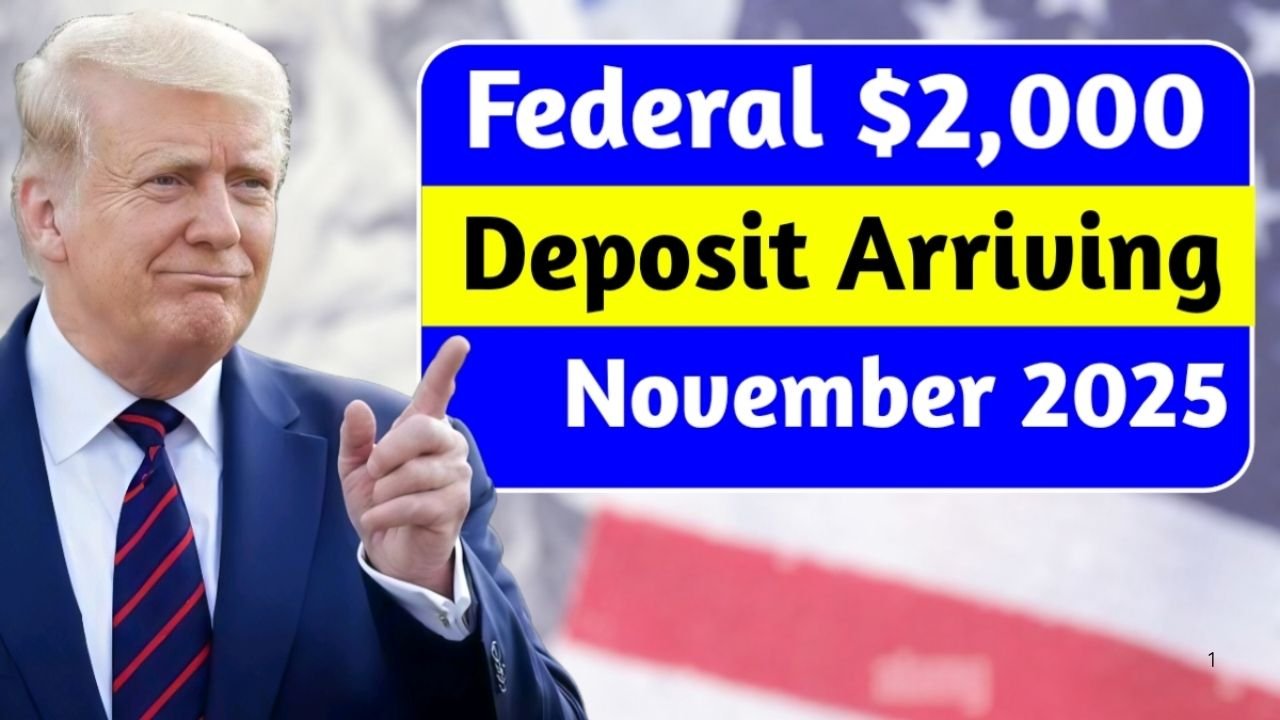
With rising living costs in 2025, millions of Americans are closely watching the ongoing discussion surrounding a possible $2,000 federal direct deposit expected by some in November 2025. Social media posts, political statements, and public conversations have intensified the speculation—especially after former President Donald Trump mentioned that eligible Americans could receive “at least $2,000 per person.”
However, despite the widespread buzz, no official federal approval or IRS confirmation has been issued as of now. This guide explains the facts, eligibility expectations, and what Americans should do while waiting for verified updates.
Is the $2,000 Federal Deposit Confirmed?

At the moment, the IRS has not announced any official $2,000 stimulus or relief payment for 2025. No legislation guaranteeing this payment has passed Congress. The discussions remain proposals, not active federal programs.
Still, due to financial pressure from inflation, rent hikes, healthcare costs, and everyday expenses, millions remain hopeful.
Who Could Qualify If the $2,000 Deposit Gets Approved?
If approved, the eligibility criteria would likely follow past federal stimulus programs. Although nothing is confirmed, analysts expect similar guidelines such as:
Basic Eligibility
- U.S. citizens or lawful permanent residents
- Valid Social Security number
- Filed recent federal tax returns
Expected Income Limits

Past stimulus rounds used income thresholds to determine full or partial payments:
- Single filers: Up to around $75,000
- Married couples: Up to around $150,000
- Head of household: Typically up to $112,500
These income limits may be reused, but no official decision has been made.
Beneficiaries Likely Included Automatically
If the program mirrors past efforts, these groups might receive automatic deposits:
- Social Security (retirement) recipients
- SSDI & SSI beneficiaries
- VA compensation and pension beneficiaries

Because their banking details already exist in government systems, they would not need to apply separately.
Why the Proposed $2,000 Payment Matters
For many families, a one-time $2,000 payment could bring crucial relief. Inflation continues to impact:
- groceries
- rent
- prescriptions
- gas and transportation
- utilities
Seniors and low-income households are especially vulnerable. A single financial boost could help them manage essential expenses.
The proposal’s popularity reflects the growing financial stress across the country.
Why the Payment Is Still Uncertain
Even though discussions are active, a federal payment requires:
- Congressional approval
- Budget allocation
- Distribution planning by the IRS
- Clear legal authorization
Economists estimate that such a payment would cost hundreds of billions, making approval challenging without political agreement.
This is why the IRS continues to clarify that no payment is scheduled.
What Americans Should Do While Waiting for Official News
Here are smart steps to stay prepared and avoid misinformation:
1. Follow Verified Sources Only
Check:
- IRS.gov
- U.S. Treasury updates
- Official federal announcements
Avoid relying on social media claims or unverified posts.
2. Keep Your Tax Information Updated
Past stimulus deposits were based on:
- Most recent tax return
- Direct deposit information on file
Ensure your bank details are current to avoid any future delays.
3. Watch Out for Scams
Fraud cases rise during discussions of federal payments. Remember:
- The government never asks for fees, bank login info, or processing charges.
- Avoid clicking on unsolicited “claim your $2,000 now” links.
4. Explore Other Financial Assistance
Even without this federal deposit, states continue offering:
- rebate programs
- tax relief
- rental support
- food and utility benefits
Federal programs like SNAP, SSI, SSDI, and Social Security continue uninterrupted.
FAQs About the Proposed $2,000 Federal Deposit
1. Is the $2,000 federal deposit approved for November 2025?
No. As of now, no federal authority has approved or confirmed such a payment.
2. Will Social Security, SSI, SSDI, or VA beneficiaries get the payment?
They might if the program is approved, but nothing is confirmed yet.
3. Do I need to apply for the $2,000 payment?
No application exists at this time. If approved, most payments would likely be automatic.
4. What income limits are expected?
Past stimulus payments have used limits like $75,000 for single filers and $150,000 for married couples.
5. How can I avoid scams?
Only trust updates from IRS.gov or the U.S. Treasury. Never share banking details with unofficial sources.
Conclusion
The idea of a $2,000 federal direct deposit has offered hope during challenging economic times, but no official confirmation exists yet. Staying informed through verified sources, updating tax details, and preparing for alternatives will help Americans navigate uncertainty. Until lawmakers make a final decision, caution and awareness remain essential.